The Garrotxa volcanic zone is one of the most unique landscapes on the entire Iberian Peninsula — and one of the great secrets surrounding Camiral, home of the Ryder Cup 2031. Less than an hour by car from the Stadium Course, the Garrotxa Volcanic Zone Natural Park hides 40 inactive volcanic cones, more than 20 lava flows and one of the most photographed beech forests in Catalonia.
A region that combines nature, hiking and historical heritage like few places in Europe — perfect for a full-day escape between golf sessions on the Costa Brava.
Garrotxa by the Numbers
- Protected area: 15,000 hectares
- Inactive volcanoes: 40, with more than 20 lava flows
- Last eruption: around 11,500 years ago (Croscat volcano)
- Distance from Camiral: approximately 50-60 minutes by car
- Best time to visit: October and November, when the Fageda d’en Jordà turns gold
The Essential Route: Fageda d’en Jordà, Santa Margarida Volcano and Croscat Volcano
The park’s most popular and complete route — and the one we recommend if you only have one day — combines the three great icons of the Garrotxa volcanic zone in a circular route of around 12-13 km, taking roughly 4 hours.
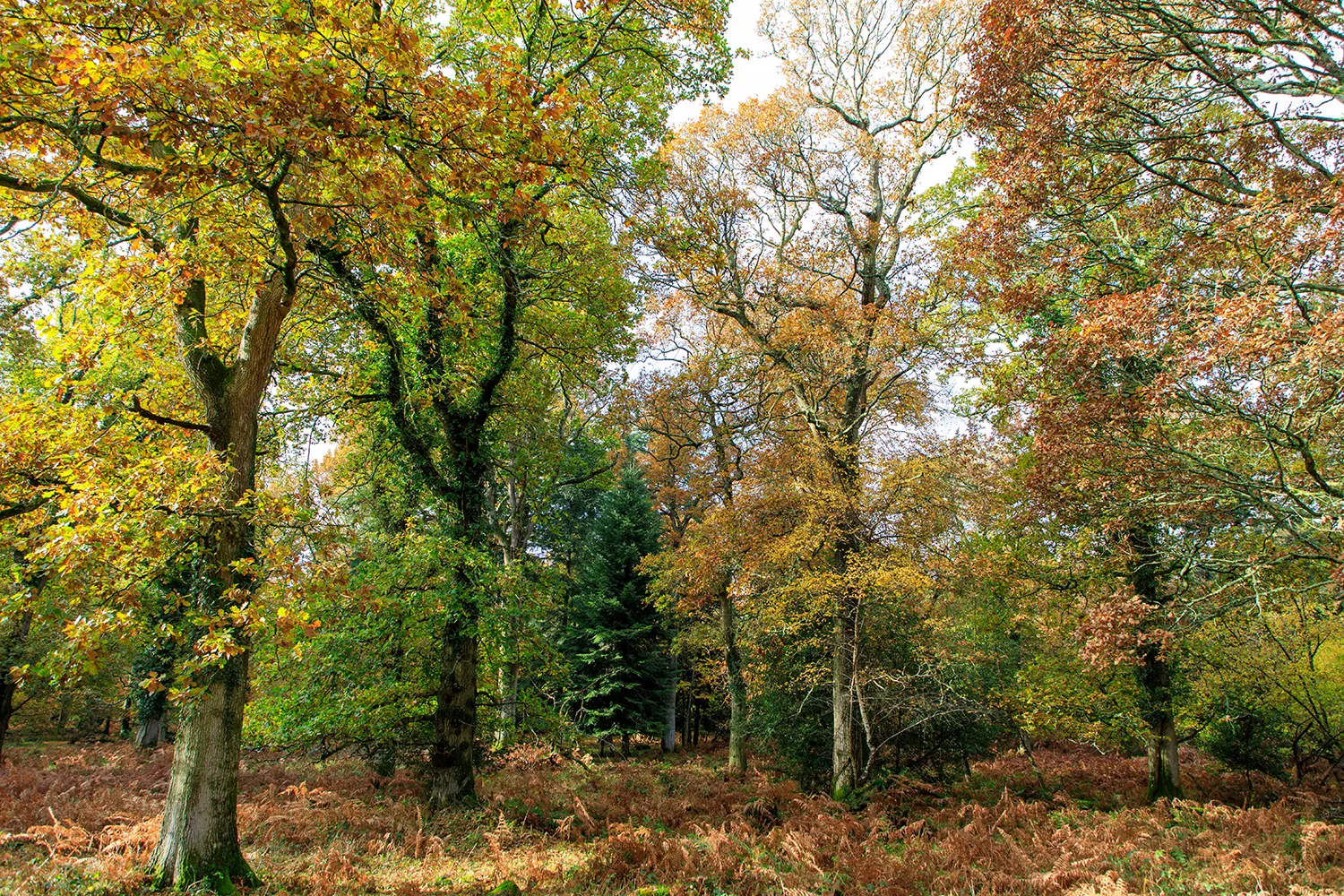
Fageda d’en Jordà — This exceptional beech forest grows directly on top of the Croscat volcano’s lava flow, a rare geological phenomenon. Immortalised by the poet Joan Maragall, it’s especially spectacular between October and November, when the beech trees turn shades of gold and copper.
Santa Margarida Volcano — One of the most visited volcanoes in Garrotxa. Its crater, now a wide open meadow, holds a small Romanesque hermitage inside. Walking through the crater without even realising it’s one is part of the magic of the place.
Croscat Volcano — The youngest and largest volcano on the Iberian Peninsula, with a unique geological cross-section that lets you see its interior in the open air. Its reddish scree slopes contrast dramatically with the surrounding green forest.
Starting point: Can Serra area (Fageda d’en Jordà), on the GI-524 road.
Castellfollit de la Roca: The Village Suspended Over Lava
Just minutes from the park, Castellfollit de la Roca is one of the most striking sights in all of Catalonia. Its houses appear to hang over a 50-metre basalt cliff, formed by ancient lava flows. A strategic village since the Middle Ages, it’s now one of the most photographed spots in Girona.
Combine your visit with Olot, the region’s capital, and its urban volcano — Montsacopa — which you can climb on foot in just a few minutes for panoramic views over the entire city.
For Those Looking for Less Elevation: The Three Lava Flows Route
If you prefer a shorter, more accessible route, the Three Lava Flows Route in Sant Joan les Fonts is perfect: just 5.7 km with minimal elevation gain, ideal for families or for a break between golf sessions without wearing out your legs. It runs along basalt cliffs formed by ancient lava flows from the Croscat volcano, with landscapes that stand out for their geological uniqueness.